

WHO WE ARE
Learn what drives our vision and values every day.
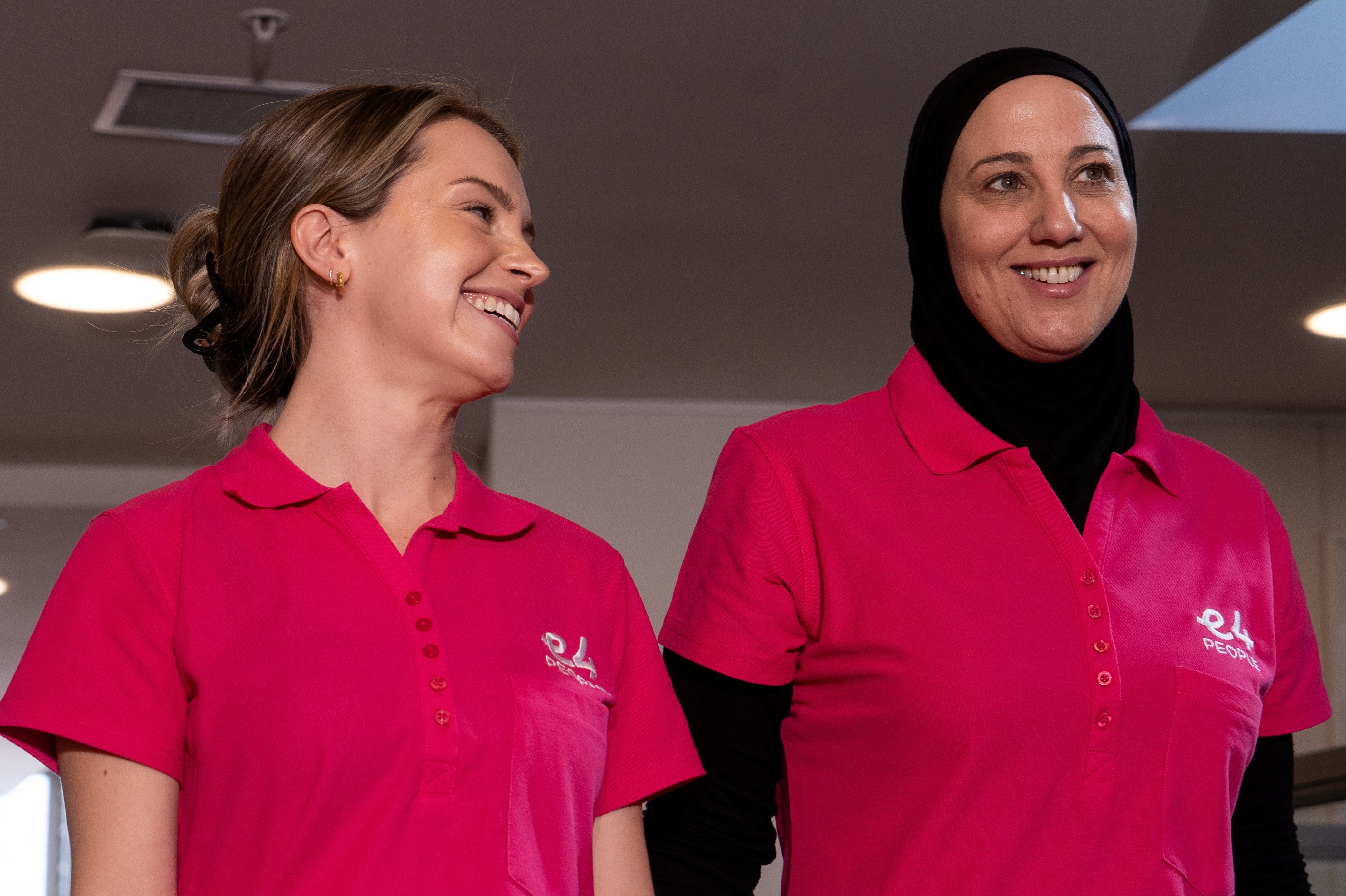
Our expert aged care team ensure aged care facilities run smoothly with short-to-long term skill options.
.png?width=1024&name=image%20(18).png)
Looking for a new career challenge, exciting opportunities, and some fun adventures? We can make it all happen.
.png?width=1024&name=image%20(19).png)
Discover your next Allied Health opportunity with our guidance, tailored to your skills and ambitions.
Submit your CV with a few details of what you’re after, and one of our specialist consultants will get in touch.


We connect job seekers with roles that match their skills, values, and career goals. Start your journey today.

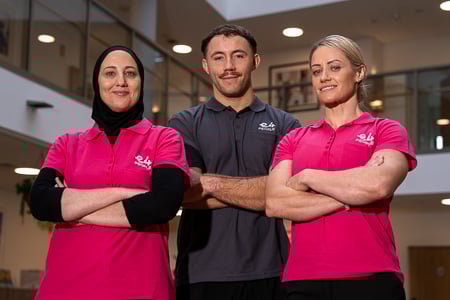
Discover the key reasons and benefits of partnering with E4 People for reliable, high-quality staffing solutions.

Discover how E4 People creates exceptional client partnerships tailored to their unique staffing and skill needs.
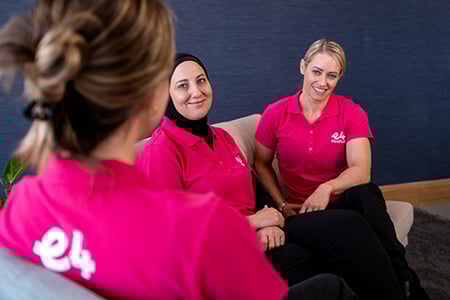
Explore E4 People’s tailored staffing solutions designed to meet your workforce demands.

Quickly request qualified healthcare staff through E4 People’s simple, streamlined booking service.
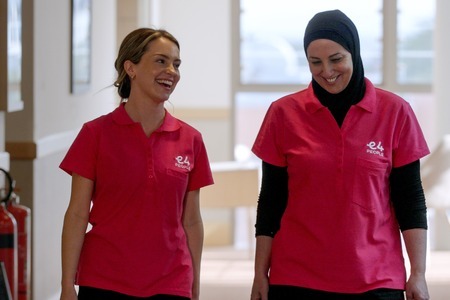
Practical guidance and expert insights to support healthcare staffing success.

Supportive information to help individuals navigate aged care confidently.

Culturally respectful guidance for delivering First Nations care.

Real-life inspiration from aged care professionals who've advanced careers.

-1-1.png?width=450&name=image%20(2)-1-1.png)

Connect with us to ask questions, request support, or learn more about our services.

Book a consultation to discuss your needs and explore how we can help.
Take the next step toward your ideal healthcare role with E4 People.

Share your feedback to help improve E4 People’s services and support.
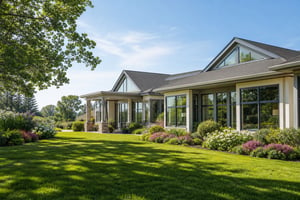
Agency staffing fills shifts fast on a shift-by-shift basis, contract staffing covers a defined block of weeks or months, and permanent staffing builds your core team on ongoing employment. Agency wins on speed and flexibility, permanent wins on continuity and cost-per-hour, and contract sits between the two for planned medium-term cover. For most aged care providers, the best answer isn't one model — it's a deliberate blend of all three, matched to your rosters, location and compliance obligations.
Below we define each model, show when each works best, compare the operational trade-offs, and give a summary table you can use to decide.
The three models differ in how long the worker is engaged, who employs them, and what they're best at.
Agency staffing provides nurses and carers on a shift-by-shift or casual basis. The agency employs the worker, handles payroll and compliance, and deploys them to fill immediate gaps. You pay an hourly rate with no ongoing commitment.
Contract staffing engages a worker for a defined period - commonly four to twelve weeks, sometimes longer. The agency still typically employs the worker, but you get the same person for a continuous block, which builds familiarity while keeping flexibility.
Permanent staffing means hiring a nurse or carer directly onto your payroll on an ongoing basis, with set hours, leave entitlements, superannuation and a career pathway. You own the employment relationship and the continuity that comes with it.
Agency is the right call when speed and flexibility matter most: a 5am sick call, a sudden resignation, a winter acuity spike, or unpredictable gaps you can't roster around. It's also the most practical option for regional and remote homes where the local talent pool is thin and you need cover now, not in six weeks.
Contract suits planned, medium-term needs where continuity matters but a permanent hire isn't warranted yet - covering parental or long service leave, staffing a newly opened wing for its first few months, or bridging an extended permanent recruitment campaign. You get a familiar face for the duration without a long-term cost commitment.
Permanent is the foundation of care quality. It's best for the core clinical roles that carry your governance, continuity and culture - the nurses who know each resident's baseline, spot subtle changes, and give families a consistent point of contact. If you're constantly scrambling to meet your 24/7 RN requirement, that's usually a signal you need more permanent headcount, not more agency shifts.
Each model trades one strength for another. Here's how they compare across the five factors that matter most to aged care providers.
Speed to deploy. Agency is fastest - a good partner can confirm cover within hours. Contract takes days to arrange. Permanent recruitment can stretch across weeks of advertising, screening, interviewing and onboarding.
Continuity of care. Permanent leads by a distance: the same faces, the same relationships, the same accountability over time. Contract offers solid continuity for its block. Agency offers the least, since a new worker may not know a resident's routines.
Cost. Permanent has the lowest cost per hour but the highest upfront investment (recruitment, onboarding, and the sunk cost of a poor hire). Agency has the highest hourly cost — fees plus casual loadings - but no fixed overheads and no wasted spend on unneeded hours. Contract sits between the two.
Control. You have the most direct control over permanent staff, who work fully within your systems and culture. Agency and contract workers operate under your clinical policies while on shift, but the employment relationship sits with the agency.
Candidate depth. Agency and contract give you access to a broad, pre-screened pool with varied experience across many settings - invaluable where local supply is limited. Permanent recruitment draws from whoever is actively job-hunting in your area, which can be a much smaller field in regional Australia.
| Factor | Agency | Contract | Permanent |
|---|---|---|---|
| Engagement | Shift-by-shift / casual | Defined block (4–12 weeks+) | Ongoing employment |
| Employer | The agency | Usually the agency | Your facility |
| Speed to deploy | Fastest (hours) | Moderate (days) | Slowest (weeks) |
| Continuity of care | Lowest | Good, for the block | Highest |
| Cost per hour | Highest | Moderate | Lowest |
| Upfront cost | None | Low | Highest |
| Flexibility | Highest | Moderate | Lowest |
| Control | On-shift only | On-shift + block | Full |
| Candidate depth | Broad, pre-screened pool | Broad, pre-screened pool | Local active job-seekers |
| Best for | Urgent gaps, peaks, unpredictable cover | Leave cover, new wings, bridging recruitment | Core team, continuity, compliance |
The multi-site provider. A group running several homes across a state needs consistency of standards and reporting, plus the ability to move cover where it's needed. A blended model works best: a permanent core at each site, a shared contract pool for predictable leave periods, and one agency relationship for urgent cover across the portfolio - with consolidated compliance and reporting through a single partner.
The regional operator. A regional home can't always recruit permanently at short notice - candidates may need to relocate. Here, contract and travel-nursing placements become essential: they bring in experienced nurses for defined blocks (often with travel and accommodation support) while the home builds its permanent team over time. Agency fills the unpredictable gaps in between.
The urgent cover situation. It's 5am, a nurse has called in sick, and the medication round starts in two hours. This is pure agency territory - a partner with a ready pool of pre-screened, AHPRA-compliant nurses can confirm someone before the shift starts. No contract or permanent process moves fast enough for this.
Start with your data. Review the last twelve months of roster patterns, turnover and care-minutes performance, and separate your gaps into two types: predictable (annual leave, seasonal peaks, chronically short shifts) and unpredictable (sick leave, sudden resignations).
Predictable gaps point to permanent or contract solutions - build the headcount or book the block in advance. Unpredictable gaps point to agency - keep a flexible pool on standby rather than burning out your core team with overtime.
The goal is a blended model: a stable permanent foundation that carries continuity and compliance, contract cover for known medium-term gaps, and an agency safety net for the surprises. When every engagement is a deliberate choice rather than a crisis response, your costs become predictable and your care quality stabilises.
E4 People has specialised in aged care staffing since 2012, with 7,000+ placements across 700+ client sites and a 4.9-star rating from 300+ reviews. The advantage of working with one partner across all three models is simplicity: one relationship, one compliance standard, one point of accountability.
If your roster has been keeping you up at night, let's design a staffing mix that fits. Get in touch with E4 People to talk it through.