

WHO WE ARE
Learn what drives our vision and values every day.
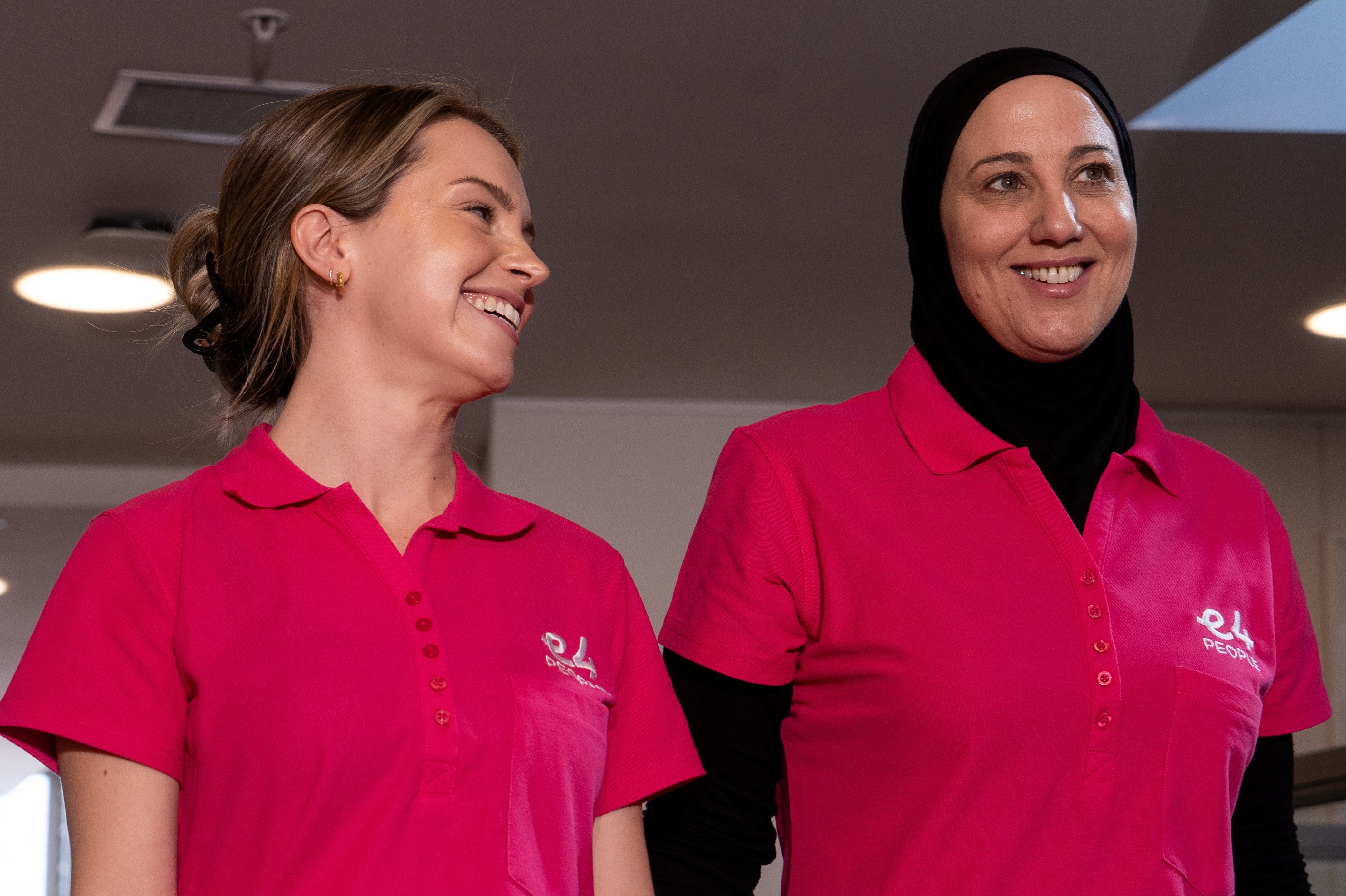
Our expert aged care team ensure aged care facilities run smoothly with short-to-long term skill options.
.png?width=1024&name=image%20(18).png)
Looking for a new career challenge, exciting opportunities, and some fun adventures? We can make it all happen.
.png?width=1024&name=image%20(19).png)
Discover your next Allied Health opportunity with our guidance, tailored to your skills and ambitions.
Submit your CV with a few details of what you’re after, and one of our specialist consultants will get in touch.


We connect job seekers with roles that match their skills, values, and career goals. Start your journey today.



Discover the key reasons and benefits of partnering with E4 People for reliable, high-quality staffing solutions.

Discover how E4 People creates exceptional client partnerships tailored to their unique staffing and skill needs.
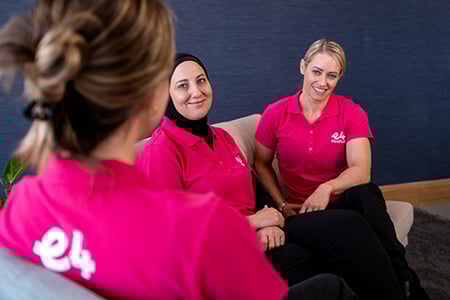
Explore E4 People’s tailored staffing solutions designed to meet your workforce demands.

Quickly request qualified healthcare staff through E4 People’s simple, streamlined booking service.
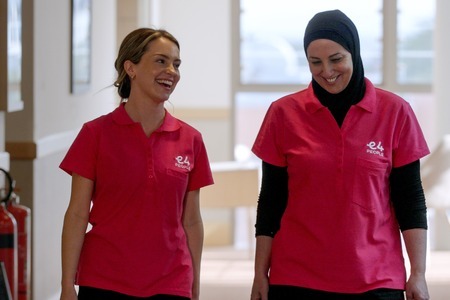
Practical guidance and expert insights to support healthcare staffing success.

Supportive information to help individuals navigate aged care confidently.

Culturally respectful guidance for delivering First Nations care.

Real-life inspiration from aged care professionals who've advanced careers.

-1-1.png?width=450&name=image%20(2)-1-1.png)

Connect with us to ask questions, request support, or learn more about our services.

Book a consultation to discuss your needs and explore how we can help.

Take the next step toward your ideal healthcare role with E4 People.

Share your feedback to help improve E4 People’s services and support.

Temporary aged care nurses work on a shift-by-shift or fixed-contract basis. They're typically engaged through an agency and deployed to fill roster gaps, cover leave, or handle seasonal demand spikes. Permanent aged care nurses, by contrast, are employed directly by your home on an ongoing basis with set hours, entitlements, and career pathways.
The distinction matters because each model shapes how you deliver care. Temporary staff give you speed and flexibility. Permanent staff give you consistency and culture. Neither is inherently better. The right mix depends on your home's specific pressures.
5am. A nurse calls in sick. Your medication round starts in two hours and you're down a pair of hands. This is where temporary staffing earns its place. When your permanent team is stretched by illness, annual leave, or unexpected resignations, agency nurses can step in fast.
Temporary staffing also works well during demand peaks. Winter brings higher acuity and more respiratory illness. December brings holiday leave. Regional homes face seasonal fluctuations tied to local workforce patterns. In these moments, having access to a pool of pre-screened, credential-checked nurses means your roster doesn't break.
At E4 People, we keep a pool of AHPRA-compliant nurses ready to go. When the 6am call comes, it's a quick match from people who already know aged care.
Temporary nurses bring several practical advantages. You can scale your workforce up or down without the fixed costs of permanent salaries. You get access to nurses with diverse clinical experience who've worked across multiple homes and settings. And you avoid the recruitment lead time that comes with permanent hiring.
For homes in regional or remote Australia, temporary staffing is often the only realistic option. Local talent pools are thin. Travel nurses willing to take short-term contracts can bridge gaps that would otherwise go unfilled.
The trade-off is continuity. A temporary nurse walking onto the floor for the first time doesn't know Mrs Chen prefers her tea before her shower. They don't know which resident needs extra reassurance during personal care. Building that knowledge takes time.
Over-reliance on temporary staffing can also affect team morale. Your permanent staff may feel like they're constantly orienting new people. That cycle quietly erodes everything around it: trust, efficiency, and the sense of stability your residents depend on.

Permanent nurses are the foundation of care quality. They know your residents, your routines, and your clinical systems. When a resident's condition changes, a permanent nurse spots it because they know the baseline. That kind of insight doesn't come from reading a handover note.
Permanent hires also support compliance. Under Australia's Aged Care Act, residential homes must have at least one registered nurse onsite and on duty 24/7. Meeting that requirement is harder when you're scrambling to fill shifts each week. A stable permanent roster makes it easier to plan, report, and demonstrate you're hitting your care minutes targets.
Permanent staff give you care continuity. Residents build relationships with the same faces. Families know who to speak with. Your clinical governance improves because the same people are accountable for the same outcomes over time.
Retention matters, too. A permanent nurse who feels valued and supported is more likely to stay. That reduces the cycle of recruitment, onboarding, and orientation that eats into your operational time.
Finding permanent nurses in today's market isn't easy. Turnover rates in aged care remain high. The 2023 Aged Care Provider Workforce Survey found registered nurse turnover sits around 37%, with enrolled nurses and personal care workers close behind. Competition for experienced nurses is fierce.
Permanent recruitment also takes time. Advertising, screening, interviewing, reference checking, and onboarding can stretch across weeks. If you're down a nurse today, permanent recruitment won't solve your immediate problem.

A blended model combines temporary and permanent staffing. You build a core team of permanent nurses who know your residents and systems. Then you supplement that team with temporary staff during peaks, leave periods, or unexpected gaps.
This approach gives you the best of both worlds. Your permanent team carries the clinical continuity. Your temporary pool carries the flexibility. Neither model dominates. Instead, you design your workforce around your actual operational needs.
Imagine a 90-bed residential home in regional NSW. You have 12 permanent registered nurses covering day, evening, and night shifts across the week. During winter, you consistently run short on Wednesday and Thursday nights. Rather than burning out your permanent team with overtime, you bring in agency nurses for those specific shifts.
Or consider a metro home that's just opened a new memory support wing. You need extra hands for the first six months while you recruit and train permanent staff. Contract nurses fill that gap without locking you into long-term costs before you've stabilised.
Start by mapping your roster patterns. Where do the gaps appear? Are they predictable or random? If you're consistently short on specific shifts, that's a signal you need more permanent capacity. If your gaps are unpredictable, temporary staffing is likely the better fit.
Also consider your compliance obligations. If meeting your 24/7 RN requirement feels like a weekly scramble, you may be under-invested in permanent headcount. Temporary staffing plugs holes. It doesn't replace the foundation.
Not all recruitment agencies understand aged care. The difference between a quiet Sunday and a heavy Friday night matters. Dementia care isn't the same as acute hospital work. You need a partner who knows your sector from the inside.
E4 People has specialised in aged care staffing since 2012. We've placed over 7,000 healthcare professionals across more than 700 client sites. That experience shows up in how we screen candidates, match skills to settings, and support placements once they start.
Before you sign with any agency, put these to them directly. The answers tell you a lot.
A partner worth keeping will answer all five without hesitation.
Australia's aged care sector operates under strict staffing requirements. Residential homes must deliver a minimum number of care minutes per resident per day. They must also have at least one registered nurse onsite and on duty 24 hours a day, 7 days a week.
From July 2025, the care minutes target is 215 minutes per resident per day, including at least 44 minutes from a registered nurse. Meeting these targets requires workforce planning, accurate rostering, and access to qualified staff when you need them.
Care minutes aren't just a compliance checkbox. The Australian Government links care minutes performance to funding from April 2026 for non-specialised metropolitan homes. If you're not meeting your targets, your funding may be affected.
Consistent staffing helps you hit those numbers. When you're short on the floor, care minutes drop. When you're constantly backfilling with unfamiliar temps, your clinical efficiency drops too. The residents still get care. But the numbers tell a different story.
Metro homes and regional homes face different challenges. In metro areas, you're competing with hospitals, other aged care providers, and the private sector for the same nurses. The talent pool is larger, but so is the demand.
In regional and remote areas, the local talent pool is smaller. Permanent recruitment takes longer because candidates may need to relocate. Temporary staffing through travel nursing contracts becomes essential to fill gaps while you build your permanent team.
Regional providers often need to offer more to attract permanent nurses. Relocation support, accommodation assistance, and flexible rostering can make a difference. Career development pathways matter too. A nurse who sees a future at your home is more likely to commit.
E4 People's Remote Care team connects regional and rural homes with nurses who are specifically seeking regional placements. These are professionals who want the lifestyle, the clinical variety, or the adventure that comes with working outside the metro bubble.
Temporary staffing typically costs more per hour than permanent wages. Agency fees, loadings, and casual rates add up. But temporary staffing also avoids the fixed costs of permanent employment: leave entitlements, superannuation, and the sunk cost of a bad permanent hire.
Permanent staffing has lower direct costs per hour but higher upfront investment. Recruitment, onboarding, and training take time. If a permanent hire doesn't work out, you've lost weeks of effort.
Look beyond hourly rates. Factor in the cost of unfilled shifts: overtime for your permanent team, burnout-driven turnover, and the quality impact on residents. Factor in the cost of high turnover: recruitment cycles, orientation time, and the knowledge lost when experienced nurses leave.
Seen that way, reliable staffing isn't a cost centre. It's one of the highest-return investments a provider can make.
Start with your data. Review your roster patterns, turnover rates, and care minutes performance over the past 12 months. Where are the pain points? Where are the gaps?
Then set clear goals. Do you want to reduce agency reliance? Improve retention? Hit your care minutes targets more consistently? Your strategy should address specific problems, not abstract ambitions.
Your recruitment partner should be more than a supplier of names. They should understand your home, your challenges, and your goals. They should bring market insight on pay rates, candidate expectations, and what's happening in aged care staffing across Australia.
E4 People works with providers to design staffing solutions that fit. Whether you need agency shifts filled by 7am, contract nurses for a six-week peak, or permanent placements to build your leadership team, we've got the depth and the relationships to deliver.
Temporary and permanent staffing aren't competing options. They're complementary tools. The right choice depends on your home's size, location, turnover patterns, and compliance obligations.
A blended model gives you flexibility without sacrificing continuity. Build your permanent core. Supplement with temporary staff when you need to flex. And work with a recruitment partner who understands aged care from the floor up.
If your roster has been keeping you up at night, let's talk about what good staffing could look like. Get in touch with E4 People to discuss your aged care staffing needs.