

WHO WE ARE
Learn what drives our vision and values every day.
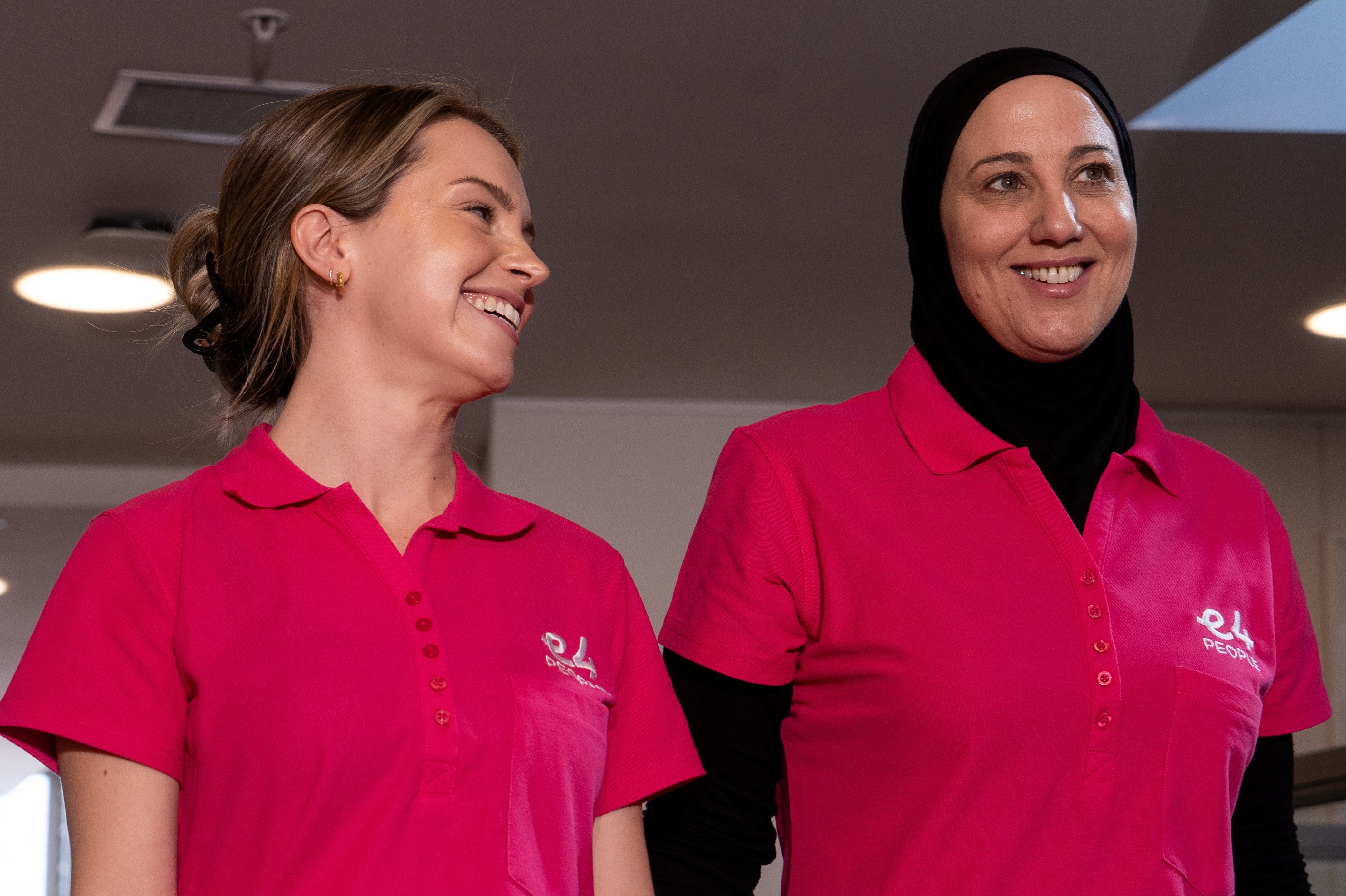
Our expert aged care team ensure aged care facilities run smoothly with short-to-long term skill options.
.png?width=1024&name=image%20(18).png)
Looking for a new career challenge, exciting opportunities, and some fun adventures? We can make it all happen.
.png?width=1024&name=image%20(19).png)
Discover your next Allied Health opportunity with our guidance, tailored to your skills and ambitions.
Submit your CV with a few details of what you’re after, and one of our specialist consultants will get in touch.
We connect job seekers with roles that match their skills, values, and career goals. Start your journey today.
Discover the key reasons and benefits of partnering with E4 People for reliable, high-quality staffing solutions.

Discover how E4 People creates exceptional client partnerships tailored to their unique staffing and skill needs.
Explore E4 People’s tailored staffing solutions designed to meet your workforce demands.

Quickly request qualified healthcare staff through E4 People’s simple, streamlined booking service.
Practical guidance and expert insights to support healthcare staffing success.

Supportive information to help individuals navigate aged care confidently.

Culturally respectful guidance for delivering First Nations care.

Real-life inspiration from aged care professionals who've advanced careers.
-1-1.png?width=450&name=image%20(2)-1-1.png)
Connect with us to ask questions, request support, or learn more about our services.
Book a consultation to discuss your needs and explore how we can help.
Take the next step toward your ideal healthcare role with E4 People.
Share your feedback to help improve E4 People’s services and support.

For someone living with dementia, communication isn't just conversation. It is reassurance, safety, and dignity.
As dementia progresses, everyday communication is also shaped by diversity. One in five people speak a language other than English and 2,500,000 more people in Australia speak a language other than English 2021, compared to 2006. Being aware of this helps carers respond with understanding and flexibility.
Why Communication Matters
Communication allows people to express thoughts, emotions and needs, maintain relationships, share information and feel safe. For people living with dementia even small gestures or tones of voice can communicate reassurance and respect when words are difficult.
Using Life Stories To Connect
One of the best ways to improve communication with someone living with dementia is to draw on their life story. Talking about their experiences, favourite memories, or hobbies can help build trust and make interactions more meaningful.
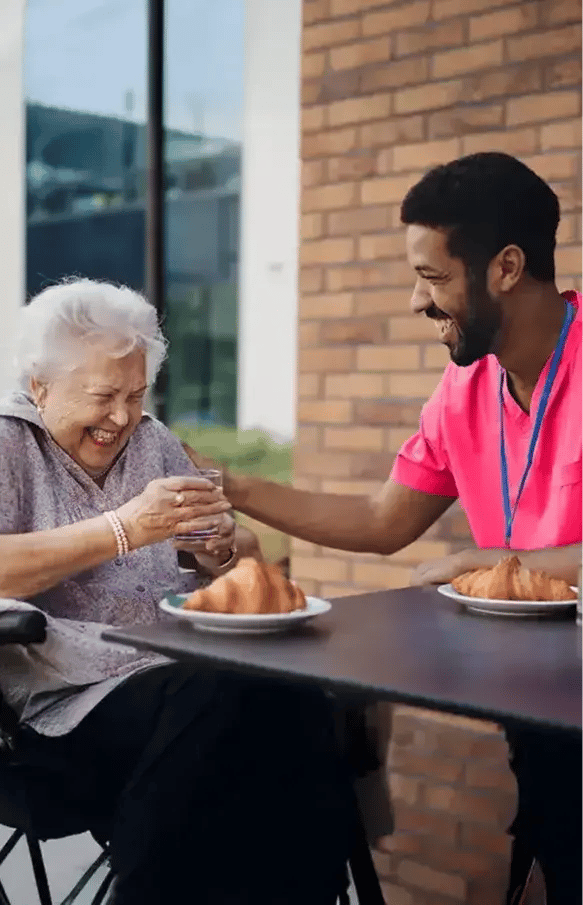
For example, during the personal care, following familiar routines chatting about past experiences or playing their favourite music can make the moment comfortable. At mealtimes, offering favourite foods and talking about their preferences engages both senses and memory. Even simple household tasks can be an opportunity encouraging them to help with easy chores before or after activities can give a sense of purpose and connection.
Key Takeaways
Simple changes in communication can make a big difference:
Being present, patient, and compassionate transforms everyday interactions into meaningful connections.
Try it today! pick one small change and see how it affects your connection. Even tiny adjustments can make a big difference.

