

WHO WE ARE
Learn what drives our vision and values every day.
Our expert aged care team ensure aged care facilities run smoothly with short-to-long term skill options.
.png?width=1024&name=image%20(18).png)
Looking for a new career challenge, exciting opportunities, and some fun adventures? We can make it all happen.
.png?width=1024&name=image%20(19).png)
Discover your next Allied Health opportunity with our guidance, tailored to your skills and ambitions.
Submit your CV with a few details of what you’re after, and one of our specialist consultants will get in touch.


We connect job seekers with roles that match their skills, values, and career goals. Start your journey today.
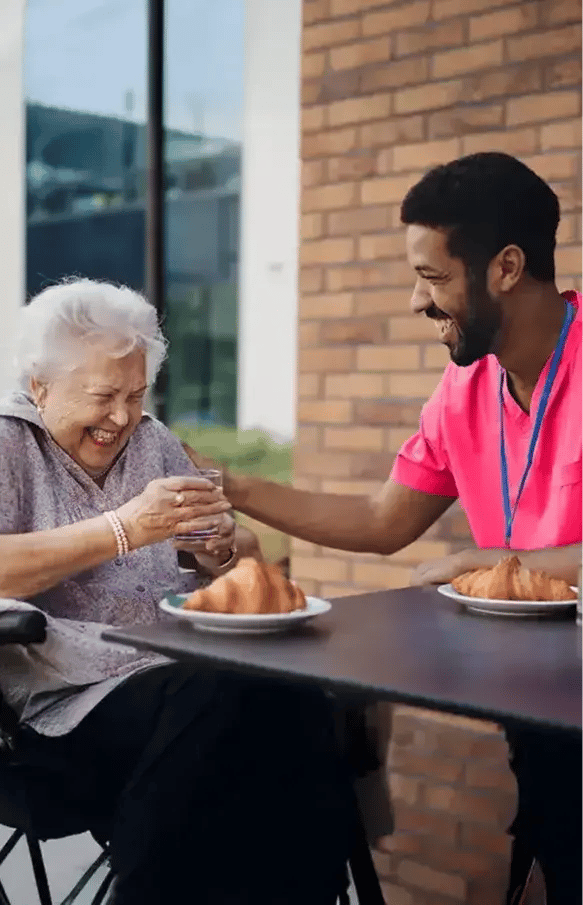
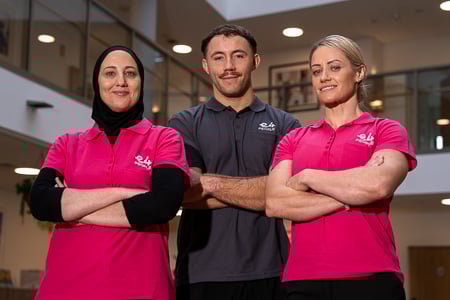
Discover the key reasons and benefits of partnering with E4 People for reliable, high-quality staffing solutions.

Discover how E4 People creates exceptional client partnerships tailored to their unique staffing and skill needs.
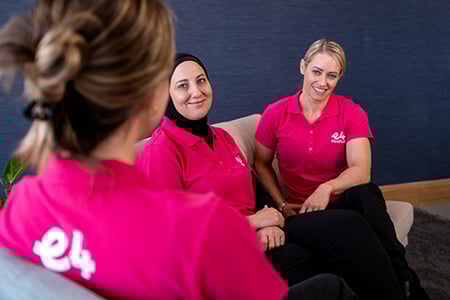
Explore E4 People’s tailored staffing solutions designed to meet your workforce demands.

Quickly request qualified healthcare staff through E4 People’s simple, streamlined booking service.
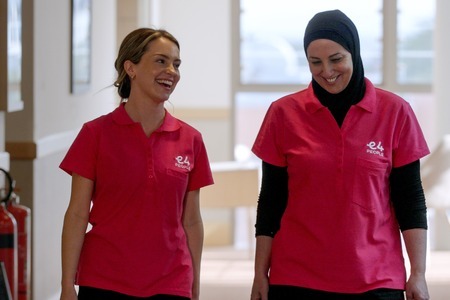
Practical guidance and expert insights to support healthcare staffing success.
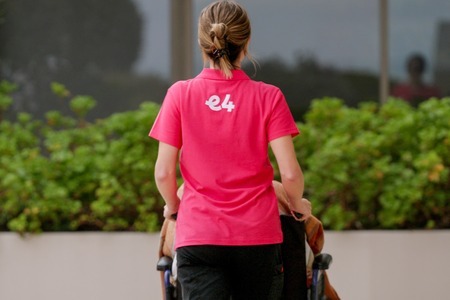
Supportive information to help individuals navigate aged care confidently.

Culturally respectful guidance for delivering First Nations care.

Real-life inspiration from aged care professionals who've advanced careers.
-1-1.png?width=450&name=image%20(2)-1-1.png)
Connect with us to ask questions, request support, or learn more about our services.
Book a consultation to discuss your needs and explore how we can help.

Take the next step toward your ideal healthcare role with E4 People.
Share your feedback to help improve E4 People’s services and support.

Dementia changes how a person experiences the world through every memory, every movement and every interaction. Understanding these changes is essential for healthcare professionals who aim to provide truly person-centred care.
Key Facts
Over 430,000 Australians live with Dementia and this number is expected to doubly by 2058. Dementia is the leading cause of death for women and the second for men. More than half of aged care residents have dementia, and two-thirds live within the community, highlighting the need for skilled person-centred care.
Types Of Dementia
Changes To Expect 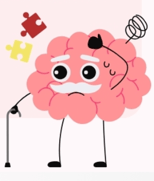
Sensory: Vision, hearing touch, smell, taste and body awareness may all be affected.
Physical: Mobility, posture, fine motor skills, continence, eating, and sleep patterns can change.
Behavioural: Mood swings, agitation, or repetitive behaviours often indicate unmet needs like hunger, thirst, or the need for comfort.
Supporting Person-Centred Care
Respond with empathy, patience and observation in every interaction. Even small gestures of connection can make a meaningful difference.
Key Takeaways
Dementia affects memory, thinking, behaviour, and physical abilities, making person-centred care essential. Understanding the types, sensory and physical changes, and common behaviours allows healthcare professionals to respond with empathy and tailored support.
Small, thoughtful actions and observation can significantly improve quality of life, ensuring care is safe, compassionate, and dignified
Take Action On Your Next Shift
How can you provide personalised, person-centred care on your next shift? Download our Understanding Dementia PDF for practical tips and strategies that make every interaction count. Your next shift could truly make a difference !